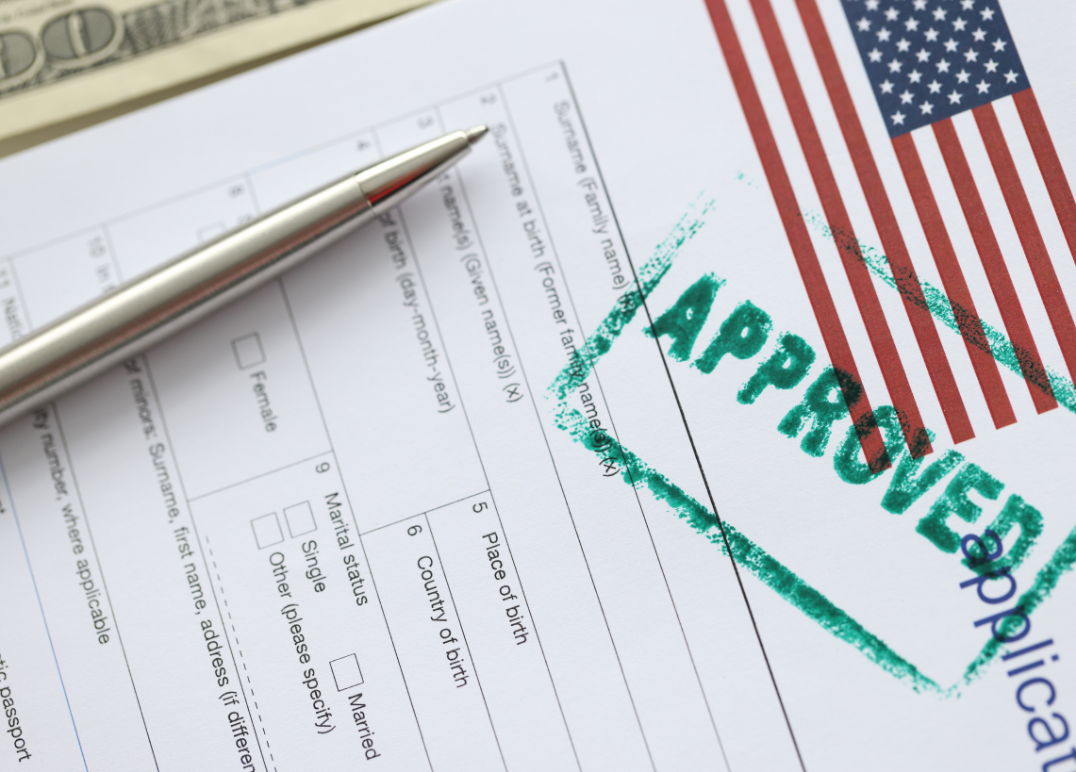
Migrating to the United States is a dream for many people around the world, whether for better job opportunities, education, family reunification, or simply a better quality of life. However, the U.S. immigration process is complex and requires careful planning. In this detailed guide, we will walk you through the key pathways to migrating to the United States in 2026, the requirements, visa options, and tips to increase your chances of approval.
Why Migrate to the United States?
The United States remains one of the most sought-after destinations for migrants due to its:
- Strong economy and job opportunities
- High-quality education system
- Better healthcare facilities
- Political stability
- Diverse culture and freedoms
Types of U.S. Immigration Pathways
There are several ways to migrate to the United States legally. The most common categories include:
- Employment-Based Immigration
- Family-Sponsored Immigration
- Diversity Visa Lottery Program
- Investment-Based Immigration (EB-5 Visa)
- Asylum or Refugee Status
- Student and Exchange Visitor Visas
Let’s break down each of these pathways in detail.
1. Employment-Based Immigration to the U.S.
Many people migrate to the U.S. for work opportunities. Employment-based visas allow professionals, skilled workers, and even unskilled workers to enter the country legally.
Types of Employment-Based Visas
H-1B Visa (Specialty Occupations)
- Ideal for skilled professionals in fields like IT, engineering, finance, healthcare, and education.
- Requires sponsorship from a U.S. employer.
- The employer must prove there are no qualified Americans available for the job.
- In 2026, the demand for H-1B visas remains high, so applicants should prepare early.
Read: Top Hotel Jobs in the USA with Visa Sponsorship: High-Paying Hospitality Careers
L-1 Visa (Intra-Company Transfer)
- For employees of multinational companies who need to transfer to a U.S. office.
- Must have worked for the company for at least one year before applying.
EB-3 Visa (Skilled and Unskilled Workers)
- For skilled workers, professionals, and even some unskilled laborers.
- Requires a job offer from a U.S. employer.
- The employer must prove that hiring a foreign worker will not harm American workers.
O-1 Visa (Individuals with Extraordinary Ability)
- For individuals with exceptional skills in sciences, arts, education, business, or athletics.
- Requires proof of extraordinary achievements, such as awards, publications, or recognition in the field.
Green Card Through Employment (EB-1, EB-2, EB-3, EB-4, EB-5)
Employment-based green cards provide permanent residency to foreign nationals based on their skills, investments, or employer sponsorship.
2. Family-Sponsored Immigration
If you have family members who are U.S. citizens or permanent residents, you may be eligible for family-based immigration.
Immediate Relatives of U.S. Citizens
- Spouse
- Unmarried children under 21
- Parents of U.S. citizens (if the sponsor is over 21)
Family Preference Categories
- F1: Unmarried sons and daughters (21+) of U.S. citizens.
- F2A: Spouses and minor children of Green Card holders.
- F2B: Unmarried sons and daughters (21+) of Green Card holders.
- F3: Married sons and daughters of U.S. citizens.
- F4: Siblings of U.S. citizens.
Processing times can vary from a few months to several years, depending on the category.
3. Diversity Visa (DV) Lottery Program
The Diversity Visa (DV) Lottery, also known as the Green Card Lottery, is a government program that grants 55,000 permanent resident visas to applicants from countries with low immigration rates to the U.S.
Eligibility for the DV Lottery 2026:
- Must be from an eligible country (some high-immigration countries are excluded).
- Must have at least a high school diploma or two years of qualifying work experience.
- Applications must be submitted through the official U.S. government website dvprogram.state.gov (beware of scams).
The lottery is free to enter, but winning does not guarantee a visa—you must still meet all requirements.
Recommended: Nursing Scholarships in the USA with Free Visa Sponsorship
4. Investment-Based Immigration (EB-5 Visa)
For wealthy individuals looking to migrate to the U.S., the EB-5 Immigrant Investor Visa provides a path to a Green Card through investment.
EB-5 Visa Requirements:
- Minimum investment of $800,000 in a rural or high-unemployment area or $1,050,000 in other areas.
- The investment must create at least 10 full-time jobs for U.S. workers.
- The investor and their immediate family (spouse and children under 21) receive permanent residency.
This is one of the fastest ways to obtain a U.S. Green Card, but it requires substantial financial resources.
5. Seeking Asylum or Refugee Status
If you are fleeing persecution based on race, religion, nationality, political opinion, or membership in a particular social group, you may be eligible for asylum in the U.S.
Asylum Process in 2026:
- Must apply within one year of entering the U.S.
- Must prove a credible fear of persecution in your home country.
- Can apply for a work permit while waiting for the case decision.
Refugees, on the other hand, apply for entry before arriving in the U.S. through the U.S. Refugee Admissions Program (USRAP).
6. Student and Exchange Visitor Visas
If you wish to study in the U.S., you can apply for a student visa:
F-1 Visa (Academic Students)
- For international students enrolling in U.S. colleges, universities, or language programs.
- Allows limited on-campus employment.
- Optional Practical Training (OPT) lets students work for up to 3 years (for STEM graduates).
J-1 Visa (Exchange Visitors)
- For cultural exchange programs, research scholars, and certain internships.
- Some J-1 visa holders must return to their home country for two years before applying for another U.S. visa.
How to Apply for a U.S. Visa in 2026
- Choose the Right Visa Type – Determine which immigration pathway best suits your situation.
- Prepare Your Documents – Gather necessary documents like passports, birth certificates, degrees, financial statements, and sponsor letters.
- File a Petition (if needed) – Some visas require sponsorship from a U.S. employer or family member.
- Complete the DS-160 Form – The online Nonimmigrant Visa Application form for most visa types.
- Pay Visa Fees – Fees vary depending on the visa category.
- Schedule a Visa Interview – Attend an interview at your nearest U.S. embassy or consulate.
- Biometrics & Background Check – Some applicants will need fingerprints and security checks.
- Wait for Visa Approval – Processing times vary depending on the visa type.
Final Tips for Migrating to the U.S. in 2026
- Avoid immigration scams – Only use official U.S. government websites.
- Stay updated on policy changes – Immigration rules may change due to new legislation.
- Improve your qualifications – Skilled workers have higher chances of approval.
- Consider an immigration lawyer – Legal experts can help you navigate complex cases.
- Apply early – Many visa categories have annual quotas, so don’t wait until the last minute.
Migrating to the United States requires patience and careful planning, but with the right approach, you can successfully start your new life in the U.S. in 2025!
Need More Help?
If you have specific questions about your U.S. immigration journey, consult the U.S. Citizenship and Immigration Services (USCIS) website or speak with an immigration attorney.